Free Online Decibel Meter
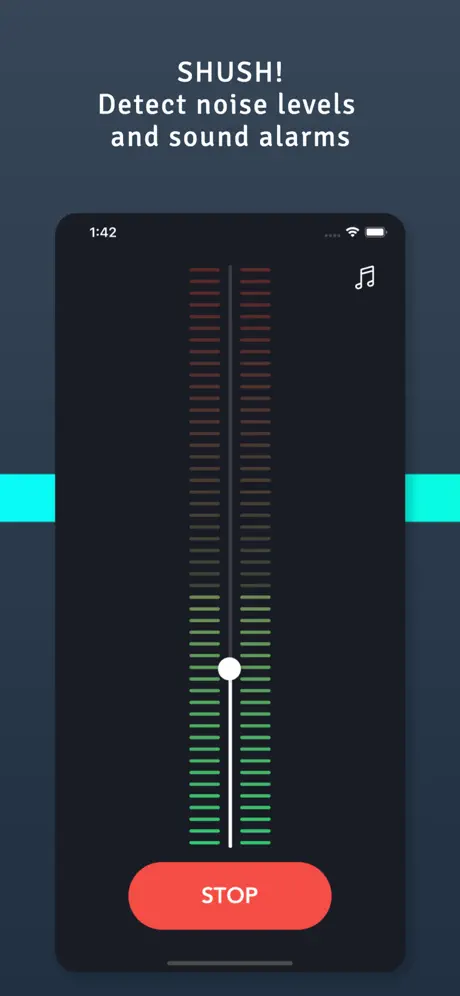
This decibel meter measures the sound level around you in decibels (dB) using your phone's, tablet's or computer's microphone. Press Start Measuring, allow the microphone, and the live reading appears straight away, together with the minimum, average and peak level since you started and a graph of the last minute. It works in the browser with no app to install, and nothing is recorded.
How Loud Is That? Decibel Chart
Decibels are logarithmic: every 10 dB increase is about twice as loud to our ears. The row closest to the current reading is highlighted while the meter runs.
| 20 dB | Rustling leaves, a very quiet room |
| 30 dB | Whisper, quiet bedroom at night |
| 40 dB | Library, quiet office |
| 50 dB | Moderate rainfall, quiet street |
| 60 dB | Normal conversation, background music |
| 70 dB | Busy restaurant, vacuum cleaner, washing machine |
| 80 dB | Heavy city traffic, alarm clock, noisy classroom |
| 90 dB | Lawn mower, motorcycle, shouting |
| 100 dB | Hand dryer, nightclub, motorbike up close |
| 110 dB | Rock concert, car horn nearby |
| 120 dB | Ambulance siren, thunderclap - painful |
How Many Decibels Is Too Loud?
Sounds below about 70 dB are unlikely to harm hearing, even over long periods. Long exposure above 85 dB can cause permanent hearing damage. The US National Institute for Occupational Safety and Health (NIOSH) recommends a limit of 8 hours a day at 85 dBA and halves the safe time for every 3 dB louder:
- 85 dB - 8 hours
- 88 dB - 4 hours
- 91 dB - 2 hours
- 94 dB - 1 hour
- 100 dB - 15 minutes
If you often see readings above 85 dB at work, at concerts or with headphones, consider hearing protection or turning the volume down.
How Accurate Is an Online Decibel Meter?
Close, but not exact. Phone and laptop microphones aren't calibrated like a professional sound level meter, and each model hears a little differently, so readings are usually within about 5-10 dB of the true level. This meter switches off the browser's voice processing (automatic gain and noise suppression) so the reading follows the real loudness, and it reports an unweighted level. For a better match, use Calibrate against a known reference. For legal, workplace or medical measurements, use a certified sound level meter.
Tips for Measuring Sound Levels
- Hold or place the device still, with the microphone pointing towards the sound and uncovered.
- Measure for at least 30 seconds and look at the average - it's a fairer picture than a single peak.
- Close other apps that use the microphone, such as video calls.
- Very loud sounds (above about 110 dB) can overload small microphones, so peaks may read low.
Measuring Noise in a Classroom?
For a room full of students, the classroom noise meter is easier to read from across the room: it turns green, yellow or red (or bounces balls higher) as the class gets louder, and counts how long you stayed in the green.
Decibel Meter FAQ
How accurate is an online decibel meter?
It gives a good estimate, usually within about 5 to 10 dB, but phone and laptop microphones are not calibrated like a professional sound level meter. Use the calibration setting if you can compare against a known level, and use a certified meter for legal or workplace measurements.
How many decibels is too loud?
Long exposure above about 85 dB can damage hearing. NIOSH recommends no more than 8 hours at 85 dBA, and halves the safe time for every 3 dB louder - about 15 minutes at 100 dBA.
How loud is normal conversation?
Normal conversation is around 60 dB. A quiet library is about 40 dB, busy traffic about 80 dB, and a loud concert can reach 100 to 110 dB.
Is my audio recorded?
No. The decibel meter only measures the volume in your browser. Nothing is recorded, stored or sent anywhere.