What Is a Potty Timer?
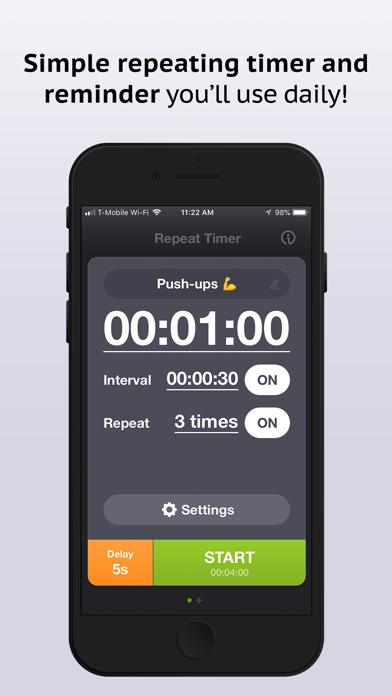
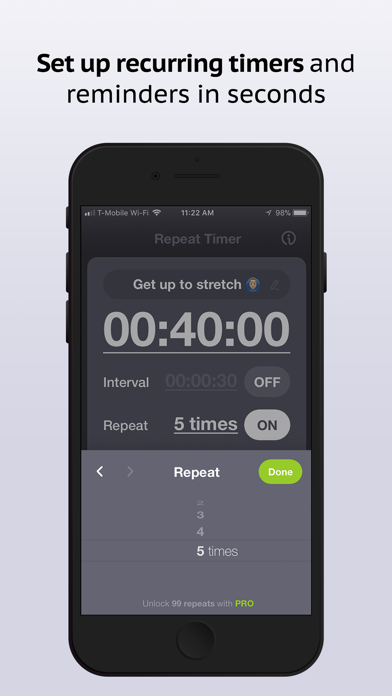
A potty timer is a simple recurring reminder that tells you when it is time to take your toddler to the potty. Instead of watching the clock, you set an interval — say every 30 minutes — and the timer counts down, chimes "Potty time!", then automatically restarts for the next round. It runs through the day so potty training stays on a steady rhythm without you having to remember. Each time it goes off you take your toddler to try, and the trips today counter keeps a running tally.
How Often Should You Take a Toddler to the Potty?
Common guidance is to offer the potty every 20 to 60 minutes during potty training. Early in training, shorter intervals work best — every 20 to 30 minutes gives your toddler frequent chances to succeed and helps them connect the feeling with the potty. As they get more reliable, you can stretch the interval out to 45 or 60 minutes. There is no single right number: watch how often your child actually goes and adjust the timer to match. Taking your toddler regularly, rather than waiting for them to ask, is what builds the habit.
Using a Potty Schedule
A potty schedule turns training into a predictable routine. Beyond the fixed interval, it helps to always offer the potty at natural transition points — right after waking, before and after meals, before leaving the house, and before bed. Layer those anchor moments on top of your every 30 minutes reminder and your toddler gets plenty of well-timed opportunities. Keeping to the same potty schedule every day makes the whole process feel normal and expected, which is exactly what helps it click.
How to Use the Potty Timer
- Pick an interval — 20, 30, 45 or 60 minutes, or type a custom number of minutes
- Press Start and the timer counts down your interval
- When it reaches zero it chimes and flashes "Potty time!"
- Take your toddler to the potty and let them try
- Tap Log Potty Trip when they go — it counts the trip, shows the time since the last one, and restarts the timer for the next round
- Made a mistake? Undo last trip removes it; Reset clears the day and starts fresh
Potty Training Tips
- Praise every try — celebrate sitting on the potty even when nothing happens; the effort is what you are building
- Watch for cues — squirming, crossing legs or going quiet often mean it is time, so take your toddler right away
- Stay consistent — keep the same potty schedule and reminders every day so the routine sinks in
- Expect accidents — accidents are a normal part of learning; stay calm, clean up without fuss and keep going
- Keep it positive — a relaxed, encouraging tone helps your toddler feel confident rather than pressured