Stay safe. Cold water causes an involuntary gasp and can spike your heart rate. Never plunge alone or in deep water, enter slowly, keep sessions short when you are starting out, and get out if you feel numb, dizzy, or shivery. If you are pregnant or have heart, blood-pressure, or circulation conditions, check with a doctor first.
What Is an Ice Bath Timer?
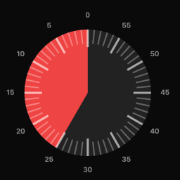
An ice bath timer counts down your cold exposure so you can stay present instead of watching the clock. Whether you are doing a cold plunge, an ice bath, or just finishing a shower on cold, a fixed time helps you build tolerance gradually and stops you from overdoing it. Pick a duration, start the timer, and focus on slow breathing until it chimes.
How Long Should You Stay in an Ice Bath?
Most people get the benefits with short sessions. Beginners often start at 30 seconds to 1 minute and work up over time; 2 to 3 minutes is a common target, and experienced plungers may go up to around 5 minutes. Total cold exposure of roughly 10–11 minutes spread across a week is a figure many enthusiasts aim for. Colder water means shorter times — let how you feel, not ego, set the length.
How to Breathe in the Cold
The first 15–30 seconds are the hardest because of the cold-shock response. Exhale slowly and fully, keep your breaths long and controlled, and relax your shoulders and face. Steady breathing calms the initial gasp reflex and makes the rest of the session far more manageable.
Cold Plunge and Cold Shower Uses
- Cold plunge - Time your tub or barrel sessions and track progress week to week
- Ice bath recovery - Keep post-workout dips consistent and controlled
- Cold showers - Finish your shower with a set cold burst
- Breathwork rounds - Pair with slow breathing for a calmer plunge
Tips
- Warm up naturally afterward with movement rather than a hot shower right away
- Start with shorter times and add 15–30 seconds as it gets easier
- Get in slowly and keep breathing — do not hold your breath
- Consistency beats duration: short, regular sessions work well