What Time Does Astronomical Dusk End Today?
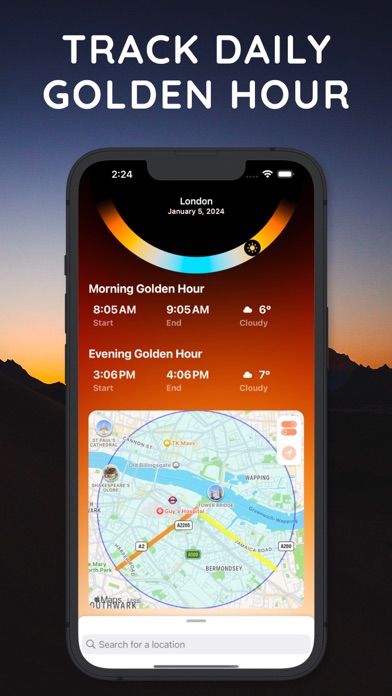
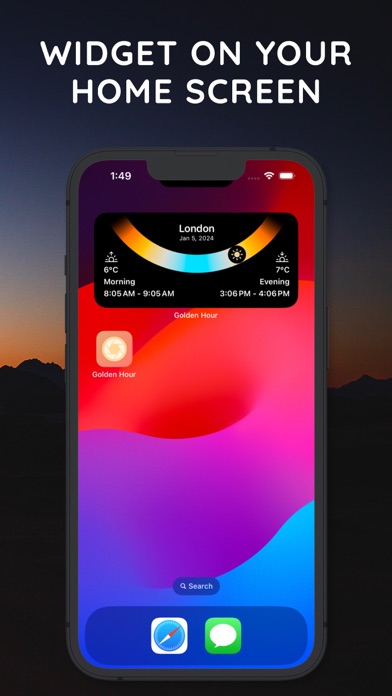
Tonight's astronomical dusk window for your location is shown above with a live countdown. The dark indigo band at the far right of the animated sun path marks the last stretch of twilight, as the sun sinks from 12° to 18° below the horizon — the final trace of daylight before the sky is truly black.
What Is Astronomical Dusk?
Astronomical dusk is the end of evening astronomical twilight — the moment the setting sun reaches 18° below the horizon. This is when it gets fully dark: the last scattered sunlight drains from the upper atmosphere and the sky reaches its deepest black. Everything after astronomical dusk, until astronomical dawn, is true astronomical night.
Astronomical Dusk and Stargazing
For anyone pointing a telescope or camera at the sky, astronomical dusk is the starting gun. Only after it does the background sky go dark enough to bring out faint galaxies, nebulae, and the full spread of the Milky Way. This page counts down to the moment your sky reaches its darkest so you know exactly when to start.
The Evening Light Sequence
- Civil dusk (−6°) — the everyday "it's dark now" point after sunset.
- Nautical dusk (−12°) — the horizon disappears.
- Astronomical dusk (−18°) — this page. True night begins; the sky is at its darkest.
FAQ
When does it get fully dark tonight?
Fully dark begins at astronomical dusk — the card above shows tonight's exact time with a live countdown.
Why does my page show no astronomical dusk?
At high latitudes in late spring and summer the sun never sinks 18° below the horizon, so it never gets fully dark and there is no astronomical dusk — the page will say so at your location.
How is astronomical dusk calculated?
From the sun's elevation, computed for your location using only your timezone — no location permission needed. Tap "Use precise location" for street-level accuracy.