What Is a Plank Timer?
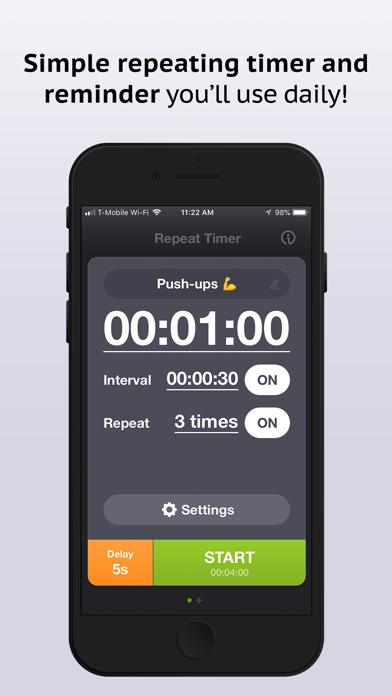
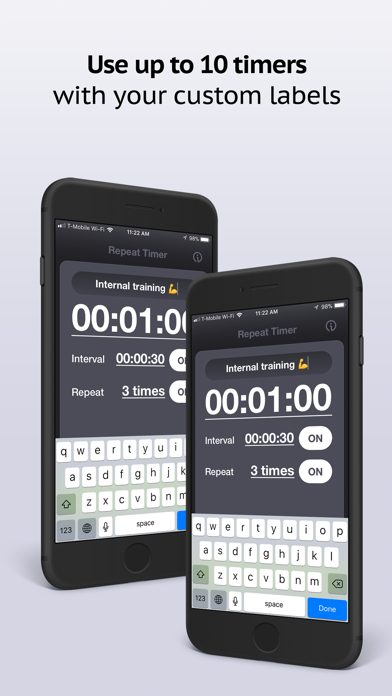
A plank timer counts down your plank hold, gives you a rest, and repeats it for as many sets as you choose. Instead of watching a clock while you shake through a plank, you set your hold time, your rest, and your number of sets, then let the timer beep at every switch. It shows a big HOLD or REST label, the countdown, which set you are on, and your total time — so you can keep your form and just breathe. It is built for anyone working on core strength, from a first plank to a full plank challenge.
How Long Should You Hold a Plank?
If you are just starting, aim for a plank hold of 20 to 30 seconds and stop the moment your form breaks. That is plenty to fire up the core. As you get stronger, build toward holds of a minute or more across your sets. Quality beats time every session: a clean, braced 30 second plank does far more for core strength than a sagging two minute one. Add a few seconds each week rather than chasing a big number in one go.
Plank Sets and Rest
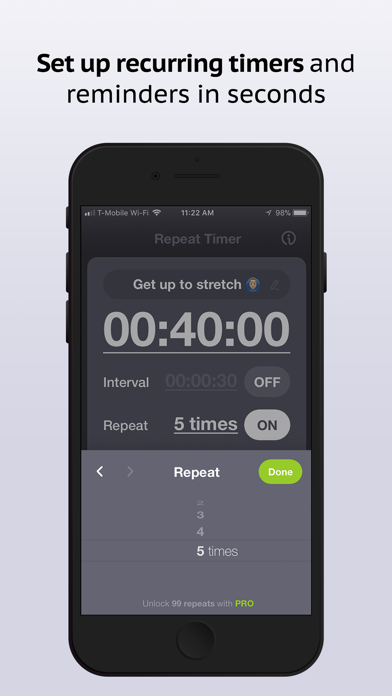
Sets and rest are what turn a single plank into a real core workout. Rather than one long hold, break the work into a few shorter, sharper planks with rest between them — for example three sets of a 30 second hold with 15 seconds of rest. The rest lets your core recover just enough to hold good form on the next set. Use the inputs above to dial in the hold, the rest, and the number of sets, or tap a preset to load a ready-made routine.
The Plank Challenge
A plank challenge is a simple way to make steady progress: you hold progressively longer planks over days or weeks. Start where a hold feels hard but doable, then add a little time each day. Many people run a 30 day plank challenge, nudging the hold up bit by bit until a minute or two feels easy. Use the sets and rest here to break each day's total into manageable planks, and let the challenge build your core strength gradually instead of all at once.
Plank Form Tips
- Make a straight line from your head to your heels — no peak, no sag
- Engage your core by pulling your belly button toward your spine
- Do not let your hips drop; squeeze your glutes to keep them level
- Keep your neck neutral by looking at the floor just ahead of you
- Breathe steadily through the hold rather than holding your breath
- Stop the set when your form breaks — a shorter clean plank beats a long sloppy one