What Is a Break Timer?
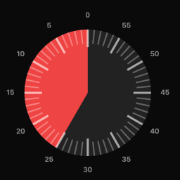
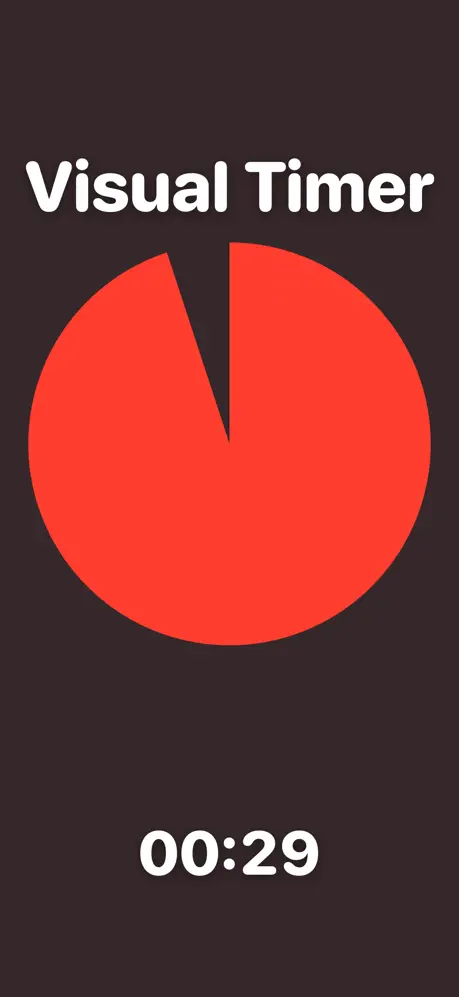
A break timer is a recurring reminder to step away from what you are doing. Unlike a plain countdown that stops when it hits zero, this break timer runs on a loop all day: it counts down your work interval, chimes "time for a break", counts down your break, chimes "back to work", and starts the next round automatically. You set the work and break lengths once, hit start, and let it keep you honest — no need to remember to take a break or to reset anything between rounds. The round count keeps a running tally, so you can see at a glance how many breaks you have taken today.
How Often Should You Take a Break?
There is no single right answer, but a few well-known rules cover most situations, and this timer has a preset for each:
- The 20-20-20 rule for eye strain - every 20 minutes, look at something 20 feet away for 20 seconds. It gives your eyes a screen break and helps prevent the fatigue and dryness that come from staring at a monitor. Use the "Eye break 20/1" preset.
- Stand up roughly once an hour - sitting for long stretches is hard on your back and circulation. A short break to stand up, stretch, or walk to refill your water every 50–60 minutes keeps you loose. The "Standard 50/10" preset fits this well.
- Pomodoro-style breaks - 25 minutes of focused work followed by a 5 minute break is the classic Pomodoro rhythm. Try the "Short 25/5" preset when you want frequent resets.
- Deep-work blocks - if you are in flow on something demanding, a 90 minute work block with a longer 15 minute break can match your natural focus cycle. Use "Long 90/15".
Pick whichever cadence matches your work, or set custom work and break minutes below the presets.
Break Timer for Work and Study
For desk work, a break reminder is the easiest way to fight the tendency to sit for hours without noticing. When the chime sounds, actually get up: stand up, roll your shoulders, look out a window to rest your eyes, and grab some water. For studying, the same loop keeps your attention fresh — short, regular breaks help you retain more than one marathon session ever will. Because the timer repeats on its own, you can leave it running in a browser tab and let it pace your whole day without touching it again.
Why Recurring Breaks Beat One Long Rest
It is tempting to power through and take one big rest at the end, but that is usually the worst pattern for both your body and your focus. Eye strain, stiffness, and mental fog build up gradually, and a single long break at the end does not undo hours of sitting. Frequent short breaks keep your energy and concentration steadier throughout the day, and they are far better for your eyes and posture. A recurring break timer removes the willpower problem entirely: you do not have to decide when to take a break, because the timer decides for you and simply keeps looping.
Tips for Better Breaks
- Actually leave your chair — stand up, stretch, or take a short walk instead of switching to your phone.
- Give your eyes a screen break: look at something far away to ease eye strain, following the 20-20-20 rule.
- Move your body a little — a few stretches or a lap around the room resets both muscles and mind.
- Hydrate and rest your eyes rather than scrolling, which just trades one screen for another.
- Keep breaks short and regular; when the "back to work" chime sounds, dive straight back in.
- Adjust the work and break lengths until the rhythm feels natural — the best cadence is the one you will stick with.