What Time Does It Get Light Today?
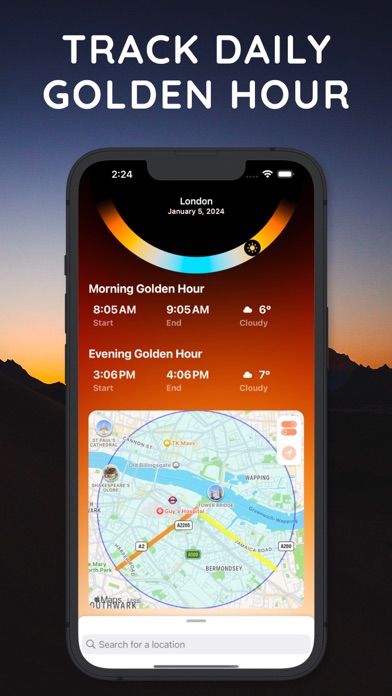
The dawn window for your location is shown above with a live countdown. The rose-colored band at the left edge of the animated sky marks the dawn stretch of today's sun path — the sun climbing the last 6 degrees up to the horizon — and the sky brightens through it just like the real one outside.
Dawn vs Sunrise — What's the Difference?
Dawn is light; sunrise is sun. Civil dawn begins when the sun reaches 6° below the horizon — the moment the sky visibly starts to brighten and you can begin to make out colors and read outdoors. Sunrise is when the sun's upper edge actually crosses the horizon, ending dawn. At mid-latitudes that gap runs about 25–35 minutes; near the equator it's quicker, and at high latitudes in summer dawn can stretch for hours.
The Three Kinds of Dawn
Astronomers slice the brightening morning into three stages by how far the sun is below the horizon: astronomical dawn (18° below — the first hint that night is ending, invisible to most people), nautical dawn (12° — the horizon line becomes visible at sea), and civil dawn (6° — genuinely getting light, streetlights start switching off). This page tracks civil dawn, the one that matches what people mean by "first light".
FAQ
What time is dawn tomorrow?
Once today's dawn has passed, the countdown above automatically switches to tomorrow morning's window.
How is dawn calculated?
From the sun's elevation: the window from 6° below the horizon up to sunrise, computed for your location from your timezone — no location permission needed.
Is dawn a good time for photography?
Excellent — it's the morning blue hour flowing into golden hour, with the bonus that mornings are calmer and emptier than evenings.