What Time Is Astronomical Twilight Today?
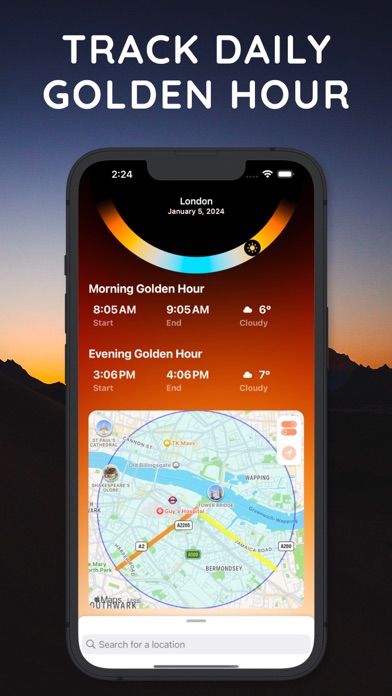
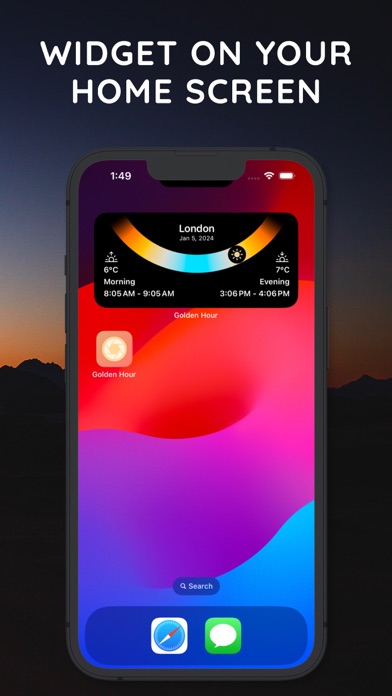
Today's astronomical twilight windows for your location are shown above with a live countdown to the next one. The morning stage is the first hint of light after true night; the evening stage is the last trace of daylight before it. On the animated sun path, the dark indigo band at each edge marks where astronomical twilight falls today — the deepest strip of sky the sun still touches.
What Is Astronomical Twilight?
Astronomical twilight is the deepest twilight stage, with the sun sitting between 12° and 18° below the horizon. To your eyes it is simply night: the sky is dark and full of stars. But sensitive instruments still register a faint wash of scattered sunlight high in the atmosphere — enough to drown out the very dimmest galaxies and nebulae. Only when the sun sinks past 18° below the horizon does that last glow vanish and the sky reach its darkest: true astronomical night.
Astronomical Twilight and Stargazing
This is the stage amateur astronomers watch most closely. Casual stargazing is fine during astronomical twilight, but deep-sky observing and long-exposure astrophotography want the sky at its blackest, so serious observers wait for the end of evening astronomical twilight — the moment night truly begins — and pack up when morning astronomical twilight starts to brighten the sky again.
The Three Twilight Stages
- Civil twilight (0° to −6°) — still light enough to be outdoors without lights.
- Nautical twilight (−6° to −12°) — dark, but the sea horizon is still visible.
- Astronomical twilight (−12° to −18°) — this page. Looks fully dark; only telescopes notice the last glow.
FAQ
When does it get fully dark tonight?
True night begins when the sun reaches 18° below the horizon, at the end of evening astronomical twilight — tonight's exact time is in the cards above, with a live countdown.
Is astronomical twilight the same as astronomical dawn and dusk?
Morning astronomical twilight is astronomical dawn; the evening stage is astronomical dusk. Same windows, named for the time of day.
Why does my page show no astronomical twilight?
At high latitudes in late spring and summer the sun never sinks 18° below the horizon, so astronomical twilight (and true night) never arrive — the source of "white nights." The page will say so when that happens at your location.